


Residential 170 & Solo-Gyps, Italy
Innovation overview and development
An overview of the product
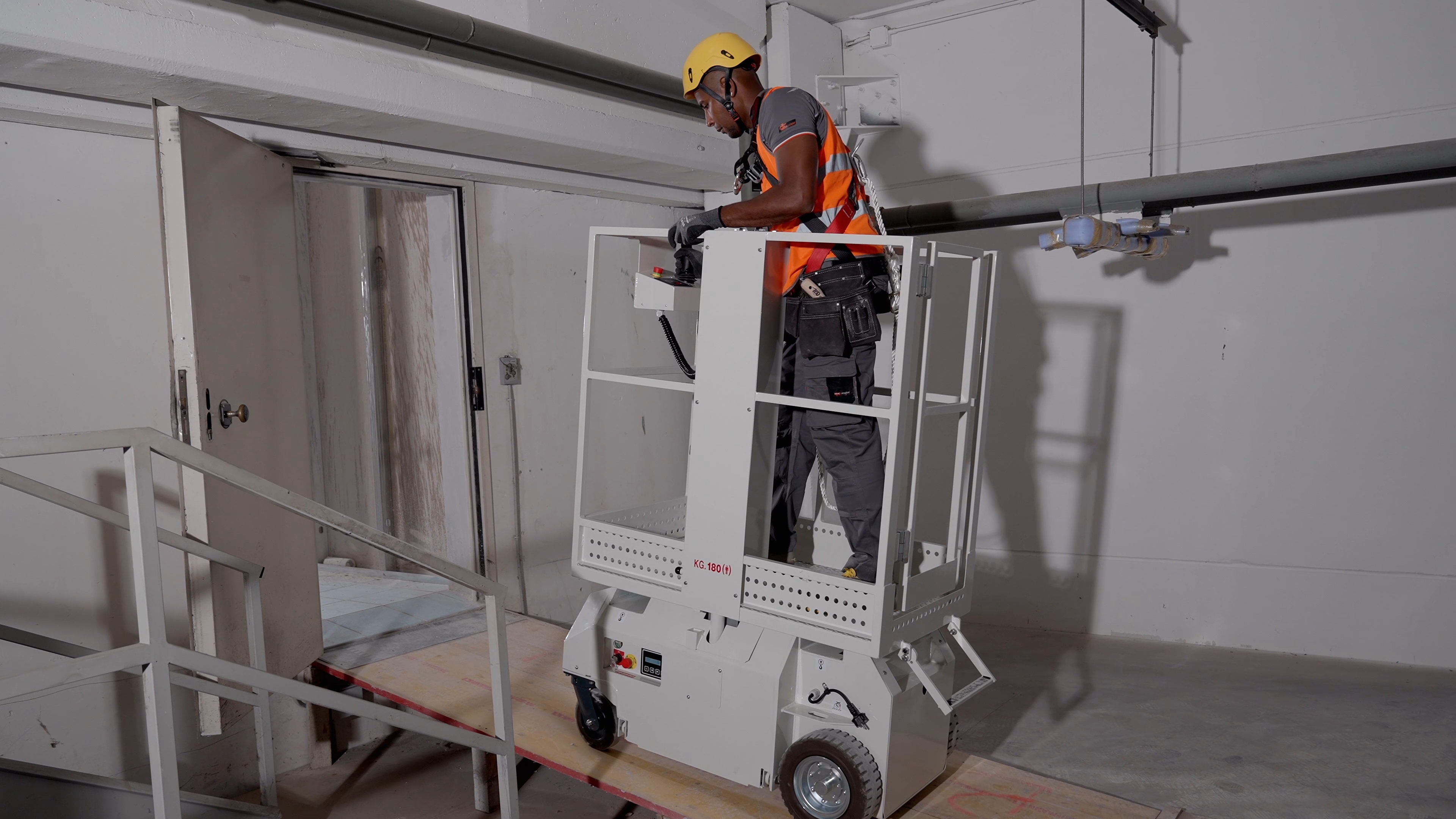
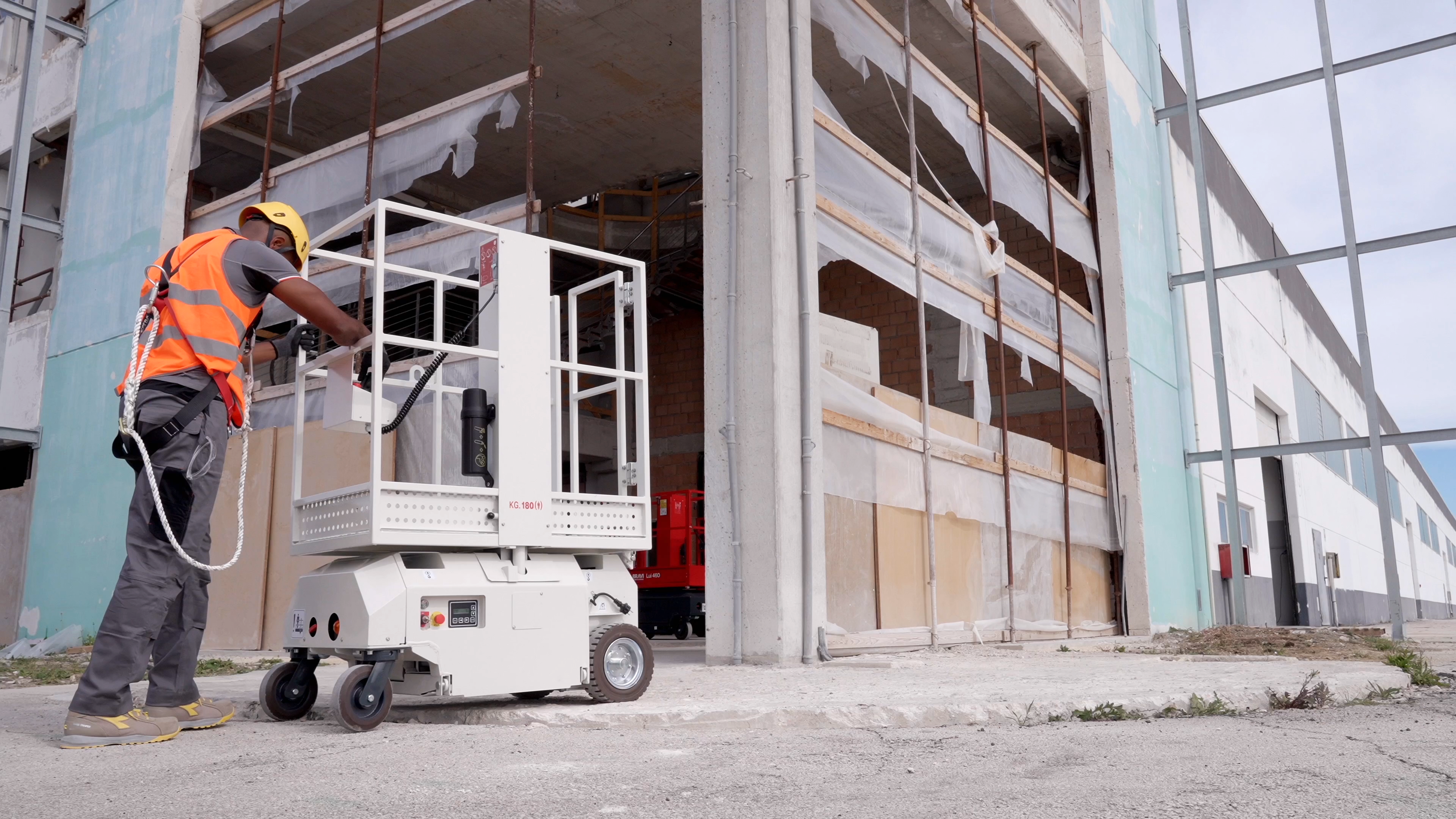
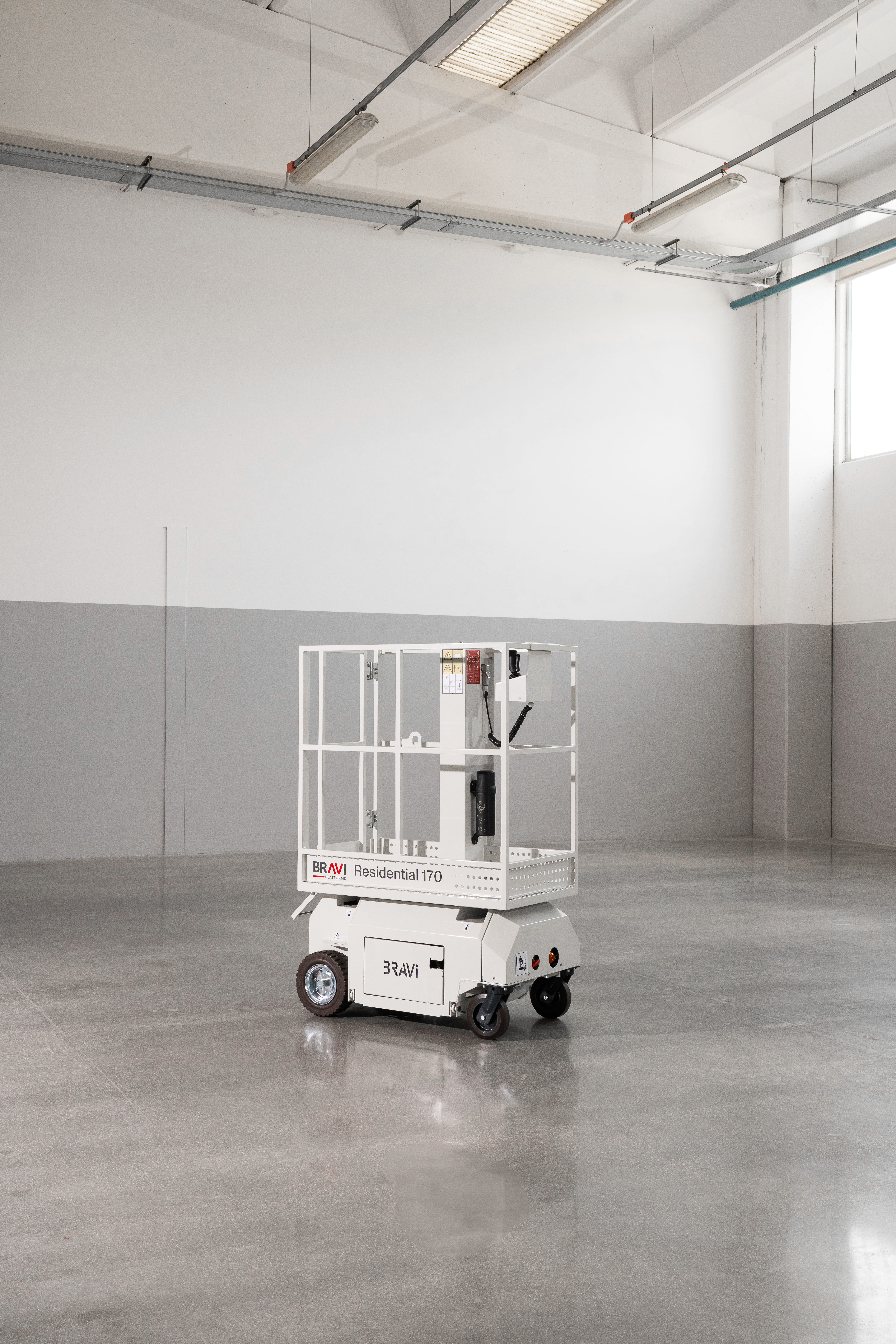
Residential 170 is the first platform specifically designed for residential construction. Compact, lightweight, and safe, it allows operators to work at height up to 3.7 m in tight spaces while reducing fall-related injuries from ladders by up to 75%. Combining ergonomics, ease of movement, and integrated safety features, it transforms traditional ladders and small scaffolds into a complete, efficient, and secure workstation. Within this context, Solo-Gyps is introduced as an accessory designed for drywall installation: it allows panels up to 40 kg to be lifted on an adjustable frame and, thanks to a roller system, enables the operator to install them independently, in a more ergonomic way and up to 50% faster.
How the new product was developed, including effective collaboration, knowledge transfer and partnership along the project team
Residential 170 was developed by closely listening to the real needs of operators on today’s complex residential construction sites, as well as the requirements of construction companies to keep their teams safe and comply with increasingly strict safety regulations. The platform was designed to combine operator safety with comfort, supporting correct postures and reducing musculoskeletal strain during work. Solo-Gyps stems from Bravi’s direct on-site experience, as a company originally established as a drywall installer and therefore deeply aware of the sector’s needs. It was designed to increase operator autonomy and simplify installation tasks, reducing the effort required to handle panels and improving efficiency in repetitive activities. This collaborative approach ensured a solution that meets practical challenges, enhances protection, and improves daily working conditions, while delivering efficiency and reliability on-site.
How might this product have an influence on the specification
Residential 170 sets a new benchmark for residential construction platforms. Its compact design, integrated safety features, and operator-focused ergonomics influence project specifications by prioritizing fall protection, comfort, and reduced musculoskeletal strain. The availability of dedicated accessories such as Solo-Gyps further extends its application in drywall installation, enabling a more versatile and task-oriented solution, with benefits in terms of safety, operator autonomy, and operational efficiency. Contractors and safety managers can specify Residential 170 to ensure compliance with evolving safety regulations, minimize risk on-site, and improve operational efficiency, making it the preferred choice over traditional ladders and small scaffolds.
How the product improved productivity in the process and/or quality and performance of the interior system
Residential 170 improves productivity by reducing repeated climbs, descents, and repositioning compared to ladders, small scaffolds, and push-around platforms. Operators can carry tools and materials onboard, move smoothly between workstations, and work at the optimal ergonomic height, resulting in up to 50% faster completion of tasks. With the introduction of Solo-Gyps, productivity is further enhanced in drywall installation: panels up to 40 kg can be lifted and positioned more easily, allowing the operator to work independently while significantly reducing physical strain during repetitive tasks. Its stable, compact, and comfortable design reduces musculoskeletal strain and supports operator wellbeing, which not only enhances the quality and consistency of interior installations such as drywall, ceilings, and finishes, but also reduces absenteeism and keeps projects on schedule.