

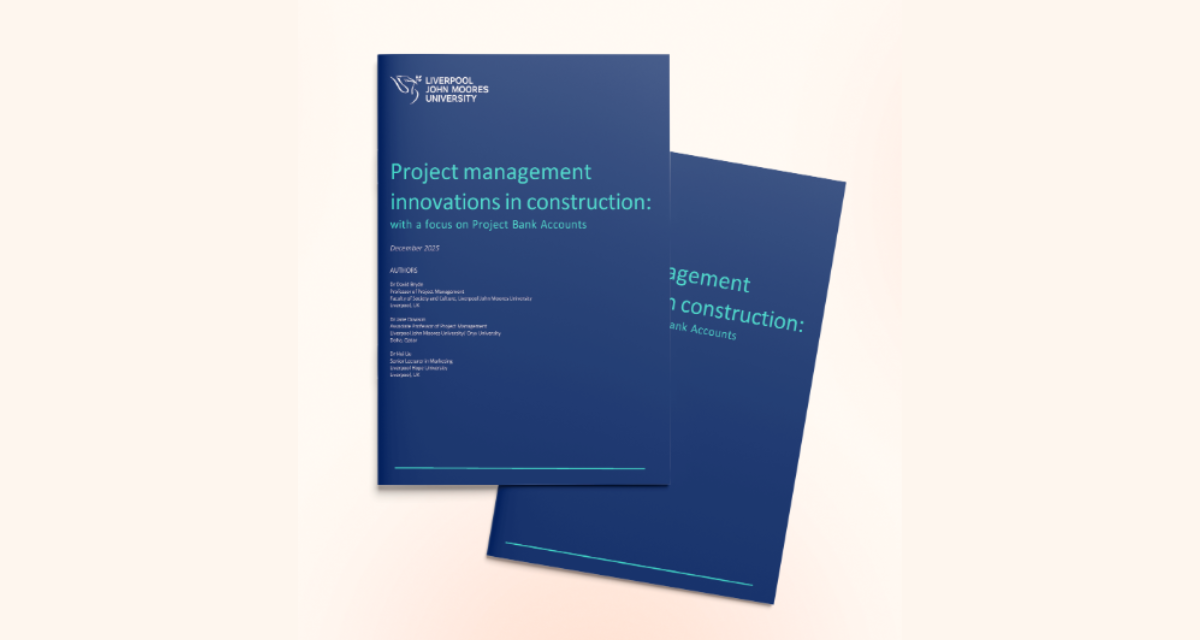
A new study by Liverpool John Moores University, sponsored by the Save Construction Initiative (SCI), takes a close look at this systemic problem and explores practical routes toward a fairer, more resilient industry.
At the centre of the research is the growing use of Project Bank Accounts, or PBAs, a mechanism designed to ensure payments are transparent, timely and secure. Governments in several regions have issued formal guidance on PBAs and, in certain publicly funded projects, mandated their use when specific criteria are met. Alongside PBAs, digital payment technologies are emerging to strengthen trust and efficiency across supply chains. One example is the Digital Parallel Processing Account, known as DiPPA, which supports the reliable operation of a PBA environment.
However, PBAs are still an early-stage innovation. While the potential rewards are significant, recent experience shows adoption alone does not automatically eliminate poor payment behaviours. The study identifies two key areas of risk, weaknesses in concept or design, and the absence of the organisational conditions needed for successful implementation. Because the evidence base is still developing, the research draws on lessons from earlier construction innovations to understand what enables change to succeed in practice.
“SCI is proud to be actively supporting the shift toward a healthier payment culture and stronger project management outcomes across the construction industry. This research reinforces just how important developments like Project Bank Accounts and their digital counterparts are in creating fairer, more transparent, and more resilient supply chains. We see this as a crucial step forward for the sector—and one that will deliver lasting benefits for businesses and the people who work within them,” says Tim Whitehill, Co-Ceo.
The result is a first step toward a practical blueprint for implementing PBAs in a way that genuinely improves resilience, trust and long-term stability across the sector. The full report explores the findings, risks and recommendations in detail.
Download the study to access the complete research and insights.
